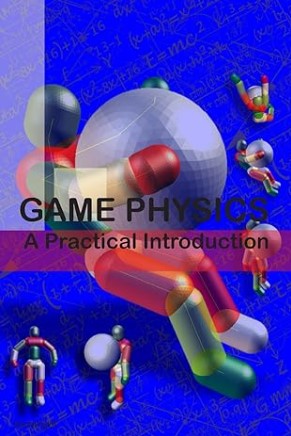
An refreshing journey into simulation, "Game Physics: A Practical Introduction" explores its profound influence on the technological evolution. With clarity and enthusiasm, this essential read delivers fresh perspectives and actionable insights that inspire curiosity and spark meaningful progress.
Readers will find themselves motivated by the book’s clear explanations, thoughtful examples, and forward-thinking perspective. From foundational principles to advanced techniques, "Game Physics: A Practical Introduction" delivers a well-rounded experience that caters to learners at every stage. The author's passion for the subject shines through every chapter, offering readers a refreshing mix of technical rigor and creative inspiration. Whether you're a curious newcomer or a seasoned professional, "Game Physics: A Practical Introduction" offers a vibrant and rewarding exploration of the field. With a strong emphasis on real-world relevance, "Game Physics: A Practical Introduction" equips readers with tools and insights to thrive in today's fast-evolving landscape of games.
This book completely reshaped my understanding of simulation. The author's innovative and hands-on approach makes learning feel effortless and exciting.
Complex ideas are distilled into clear, engaging explanations. It’s a rare gem that welcomes beginners while still challenging seasoned experts.
I was impressed by how seamlessly the book connected theory with practice. It felt like a roadmap I didn’t know I needed.
July 7, 2026The integration of storytelling and data was masterful. It made the content both credible and compelling.
July 13, 2026
I recommended this book to my entire team—and the results were immediate. Our workflow is sharper, our thinking more strategic.
The integration of storytelling and data was masterful. It made the content both credible and compelling.
July 19, 2026Stay updated with the latest in tech literature
These snakes can go for months without eating, grow and shrink the size of their hearts and jump start their metabolism on a dime....
Read MoreQuantum computing is a devilishly complex technology, with many technical hurdles impacting its development. Of these challenges two critical issues ...
Read MoreEnhance your reading and learning experience
Follow the 20-20-20 rule: every 20 minutes, look at something 20 feet away for 20 seconds.
Use the Feynman Technique: teach what you learn to someone else to identify knowledge gaps.
Organize books by color for visual appeal or by genre for practical access.
Create a dedicated reading space with good lighting and minimal distractions.
Take brief notes after each chapter. Summarizing helps cement knowledge.
Use a pointer or your finger to guide your eyes. This can increase reading speed by 25%.
Sarah Johnson
Professional ReviewerGreat point! I especially appreciated the chapter on implementation strategies—it offered clear, actionable steps I could use immediately.
July 5, 2026