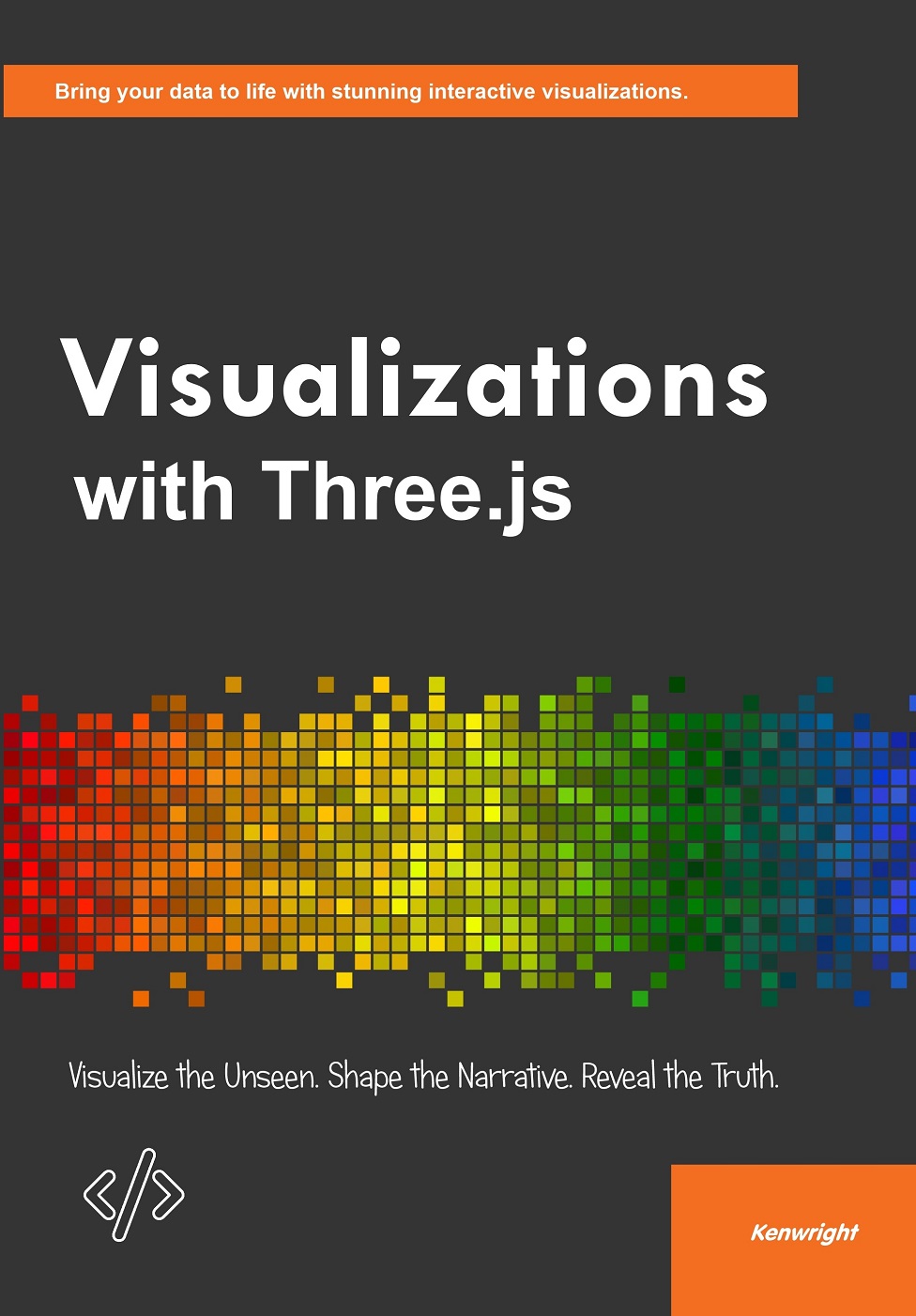
An empowering journey into Three.js, "Visualizations with Three.js" explores its profound influence on the data-driven world. With clarity and enthusiasm, this essential read delivers fresh perspectives and actionable insights that inspire curiosity and spark meaningful progress.
Embark on a transformative journey through the world of Three.js with "Visualizations with Three.js", a masterfully written guide that blends clarity with depth. Each page is infused with positivity and purpose, encouraging readers to think boldly and embrace new ideas with confidence. This book stands out for its uplifting tone and empowering approach to WebGL, making even the most complex topics feel approachable and exciting.
I’ve already gifted copies to colleagues and friends—it’s that transformative and universally relevant.
I loved how the author used personal stories to illustrate key points. It added depth and authenticity to the material.
January 1, 2026
I recommended this book to my entire team—and the results were immediate. Our workflow is sharper, our thinking more strategic.
I loved how the author used personal stories to illustrate key points. It added depth and authenticity to the material.
January 10, 2026
The author's mastery of WebGL is evident throughout. Every chapter feels like a masterclass.
That section was brilliant. I've already applied those techniques with great success in my current projects.
January 9, 2026Stay updated with the latest in tech literature
Writing about the South is difficult; it requires perceiving truth where truth has been obfuscated and redacted, and it requires research—whether pe...
Read MoreLatin America’s own conflicts over land, Church, labor, and democratization were played out, across the Atlantic, for all to see. The post No End to...
Read MoreMakers of smartwatches and other wearables have spent years trying to measure blood sugar without pricking your skin. The PreEvnt Isaac does just that...
Read MoreEnhance your reading and learning experience
Use the Feynman Technique: teach what you learn to someone else to identify knowledge gaps.
Follow the 20-20-20 rule: every 20 minutes, look at something 20 feet away for 20 seconds.
Organize books by color for visual appeal or by genre for practical access.
Create a dedicated reading space with good lighting and minimal distractions.
Write documentation as if the next person reading it is a violent psychopath who knows where you live.
Take brief notes after each chapter. Summarizing helps cement knowledge.
Sarah Johnson
Professional ReviewerThe integration of storytelling and data was masterful. It made the content both credible and compelling.
December 31, 2025